Forest Projects
Across Mauritius and Rodrigues, restoration is not an idea, it is active work.
Forests are being rebuilt. Species are returning.
What was once diminished is growing back.
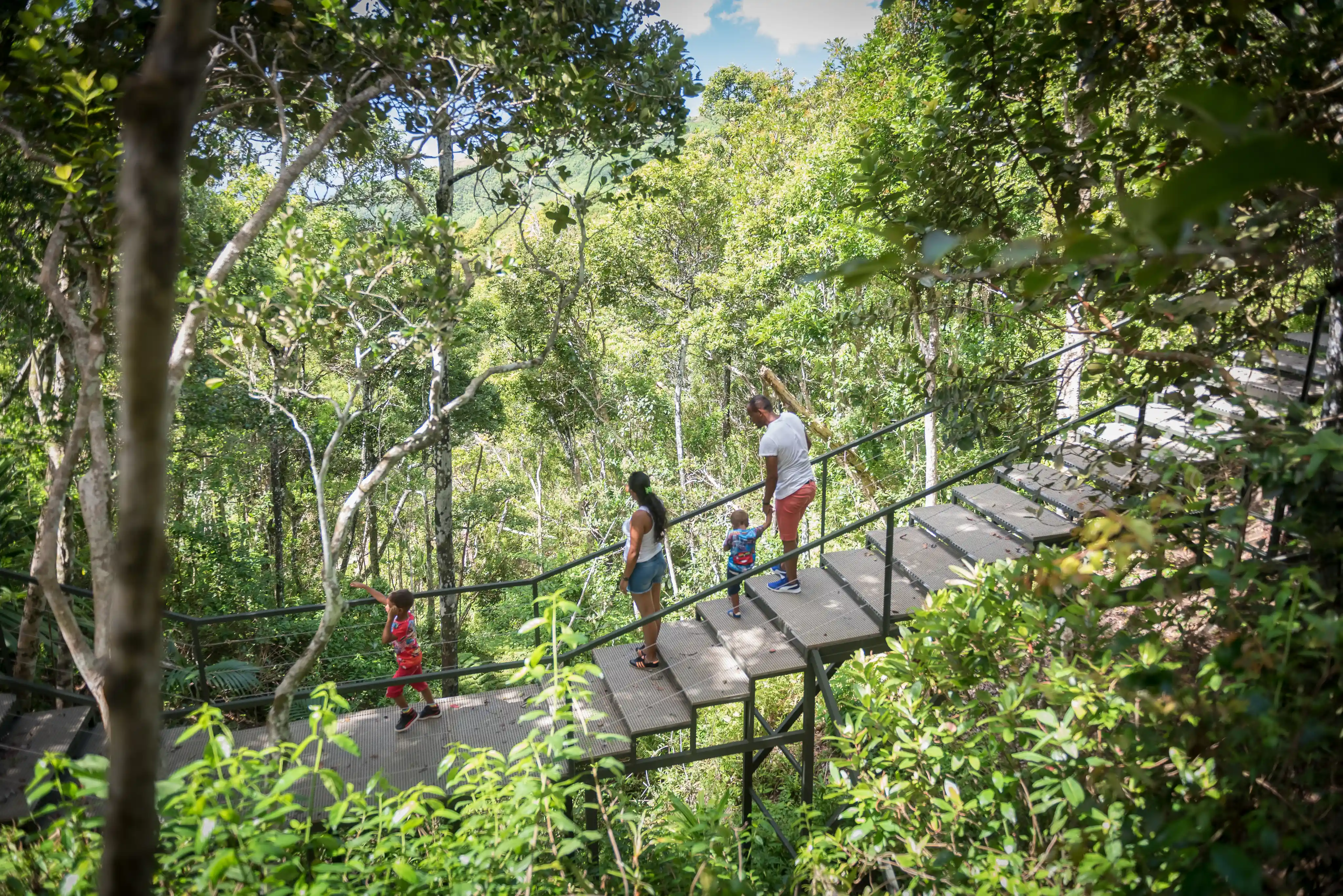
Ebony Forest Reserve
Reviving the Island's Endemic Woodland
Supported by La Vanille Nature Park
Chamarel, Mauritius
Ebony Forest Reserve (A Forest Reborn)
Ebony Forest Reserve is a sanctuary for Mauritius' rare and threatened endemic plants and animals.
With less than 2% of high-quality native forest remaining on the island, the Directors of La Vanille Nature Park made a long-term commitment to restore 50 hectares of native forest in Chamarel, creating a safe home for endangered flora and fauna.
Since restoration began in 2006, major progress has been achieved.
To date, 35 hectares of forest have been weeded and around 164,000 indigenous plants have been planted at Ebony Forest. The team also maintain a 50-hectare predator control grid, helping native species recover in a safer environment.
Working with conservation partners, Ebony Forest, a NGO, has supported the return
and protection of some of Mauritius' rarest birds.
Birds, Trails & Living Landscapes
Today, it is one of the few places in Mauritius where six of the nine remaining endemic bird species can be seen, including the Pink Pigeon, Echo Parakeet, Mauritius Paradise Flycatcher, Mauritius Kestrel, Mauritius Bulbul and Grey White-eye.
Opened to the public in June 2017, Ebony Forest invites visitors to discover the beauty of Mauritius' natural heritage through guided tours, hiking trails, safari jeep rides, birdwatching, a raised walkway and the Ebony Experience museum.
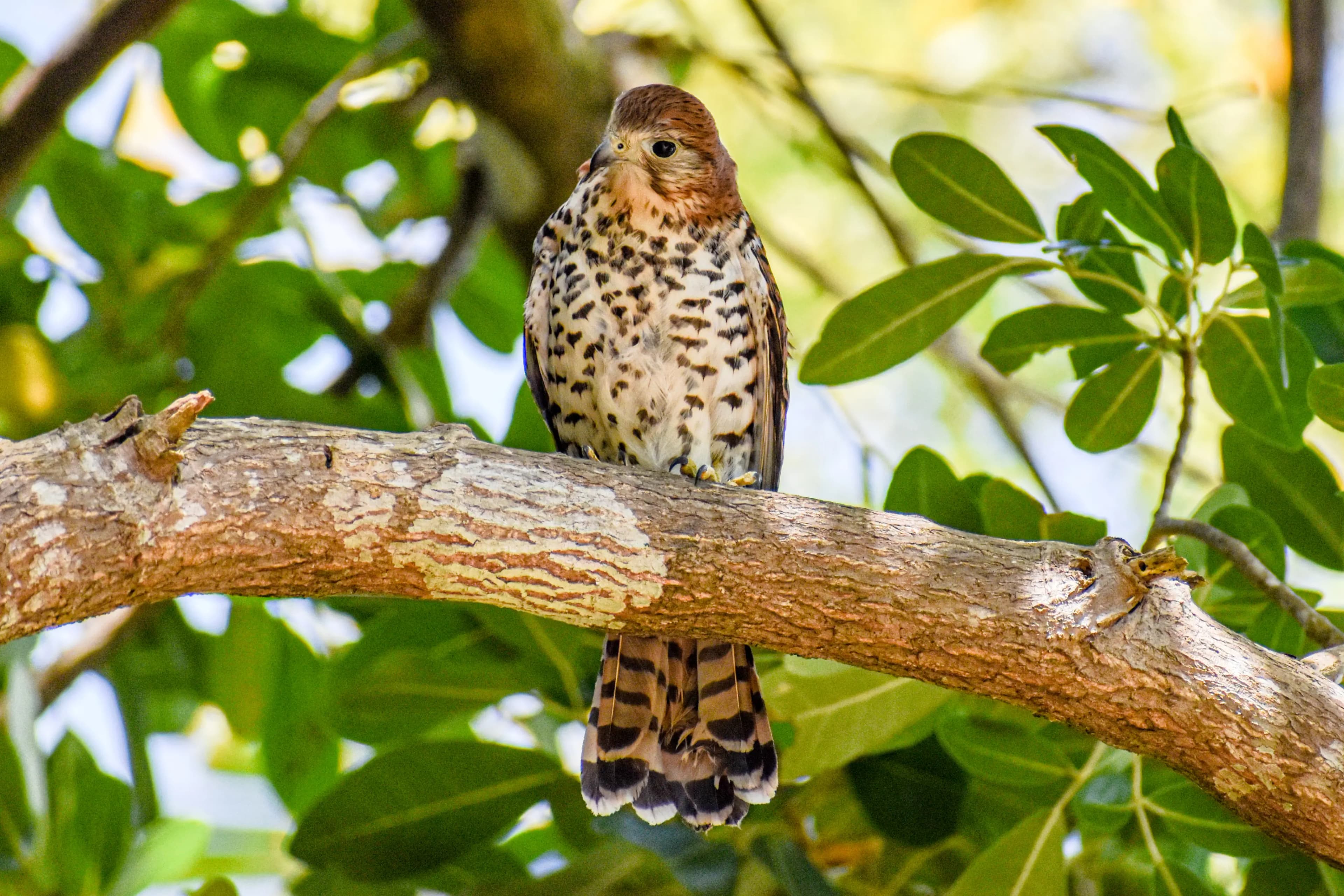
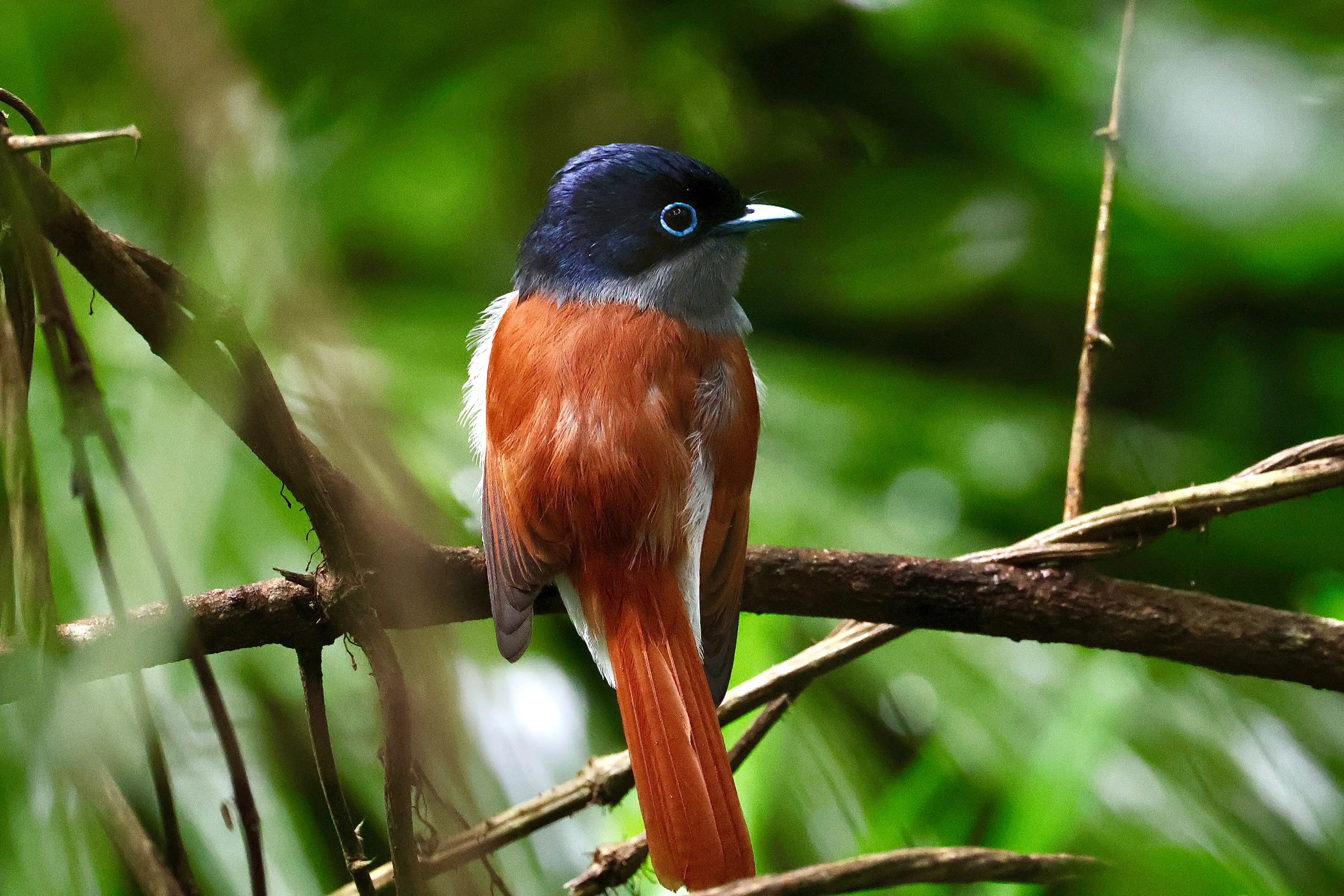
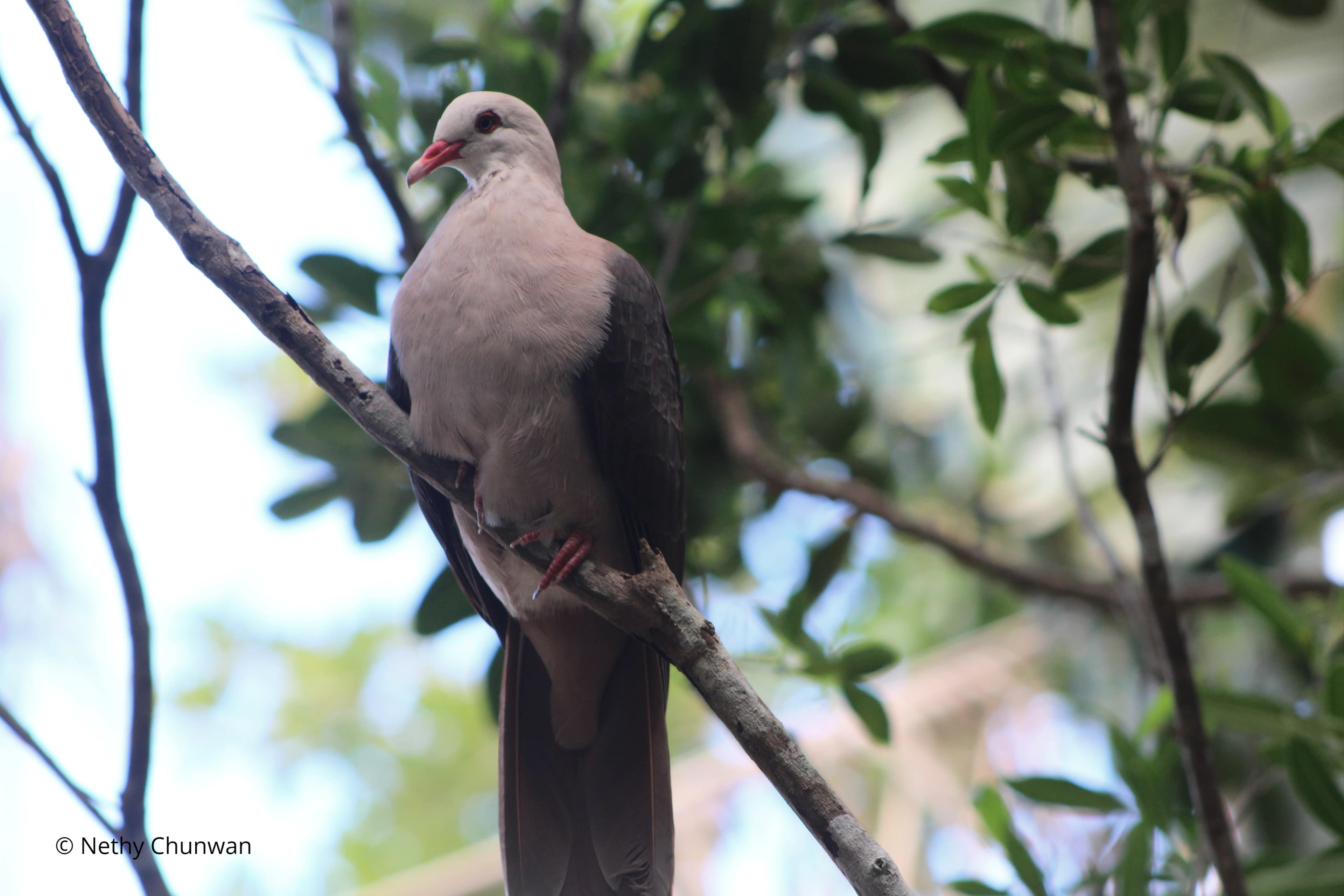
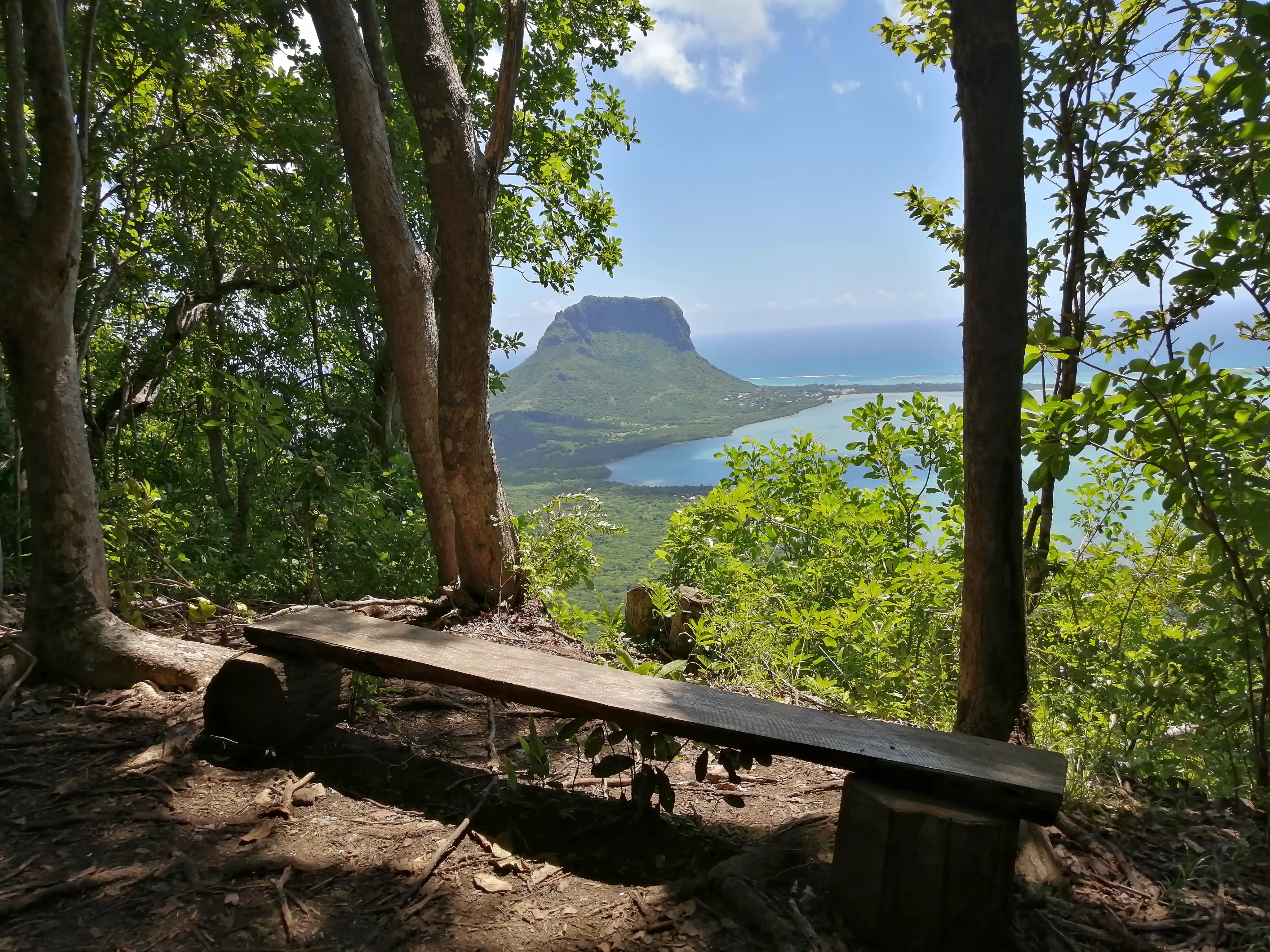
Visitors can enjoy breathtaking views, learn about millions of years of natural history, and see conservation work taking place in real life.
The forest is no longer silent.
It is alive again.
Ebony Forest is more than a place to visit.
It is a living conservation project that inspires people to protect nature.
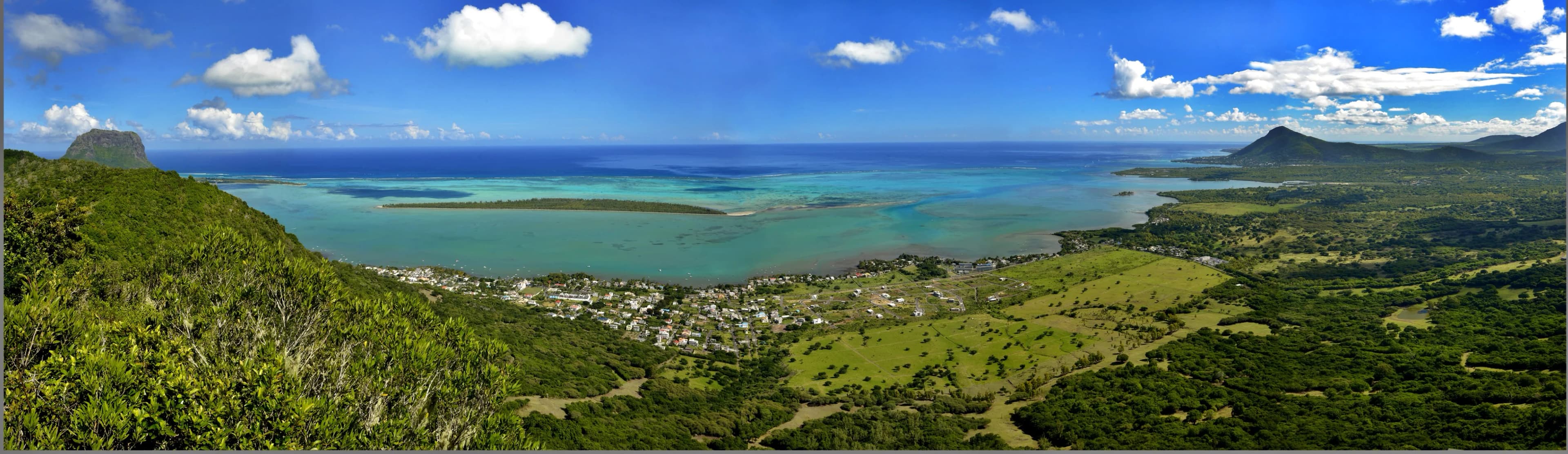
Through school activities, volunteering, planting experiences and partnerships with local and international organisations, the team continues to restore the forest and raise awareness.
Every visit helps support the ongoing conservation of Mauritius' unique biodiversity.
Restoration takes different forms but the mission remains the same.
François Leguat Reserve Rodrigues
Rewilding an Island
Supported by La Vanille Nature Park
Rodrigues Island, Mauritius
François Leguat Reserve (Rewilding an Island)
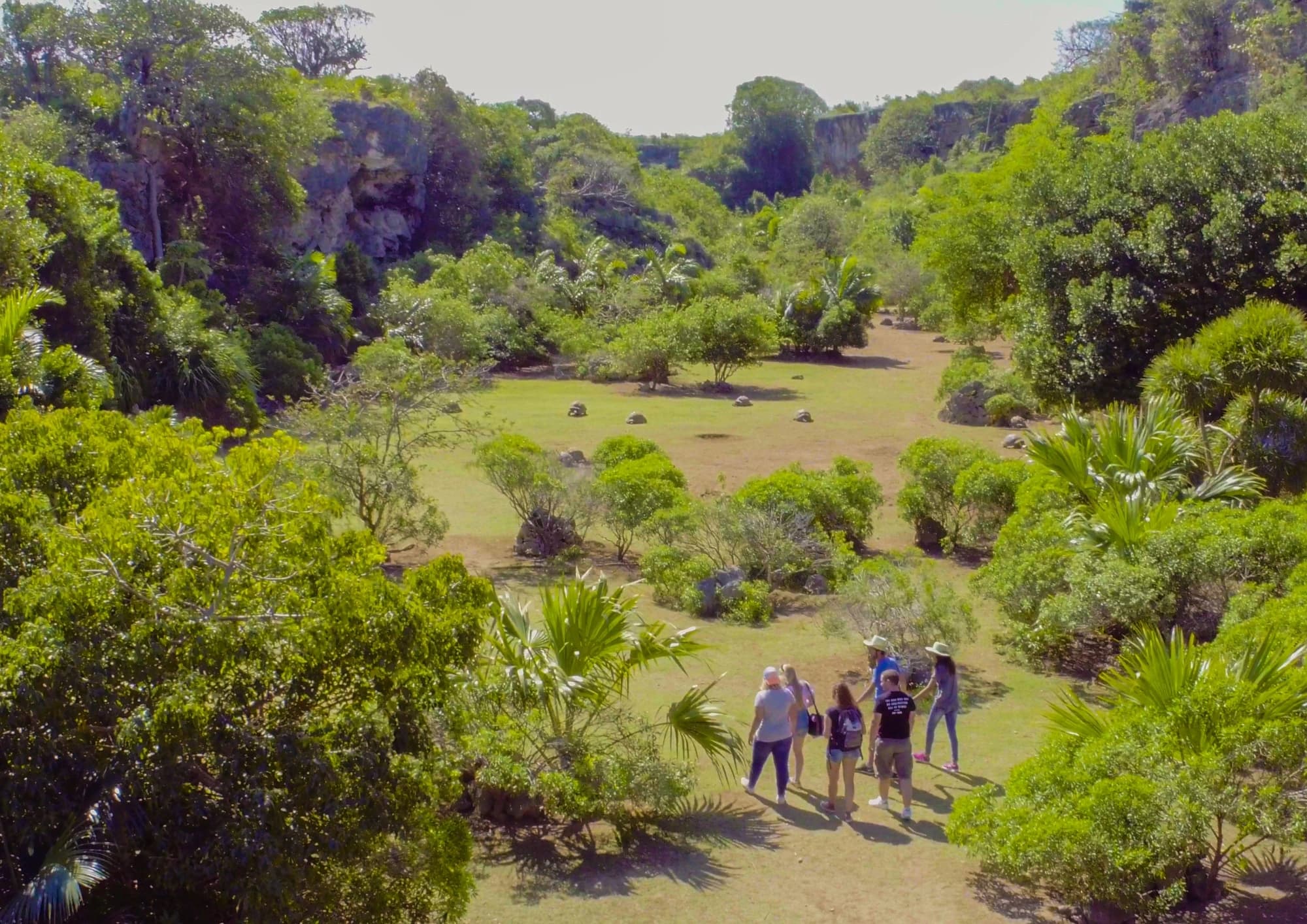
Covering 20 hectares, the François Leguat Reserve offers more than a visit.
It takes you back to what Rodrigues once looked like, where giant tortoises roamed freely and nature lived in balance. Today, that story is coming back to life.
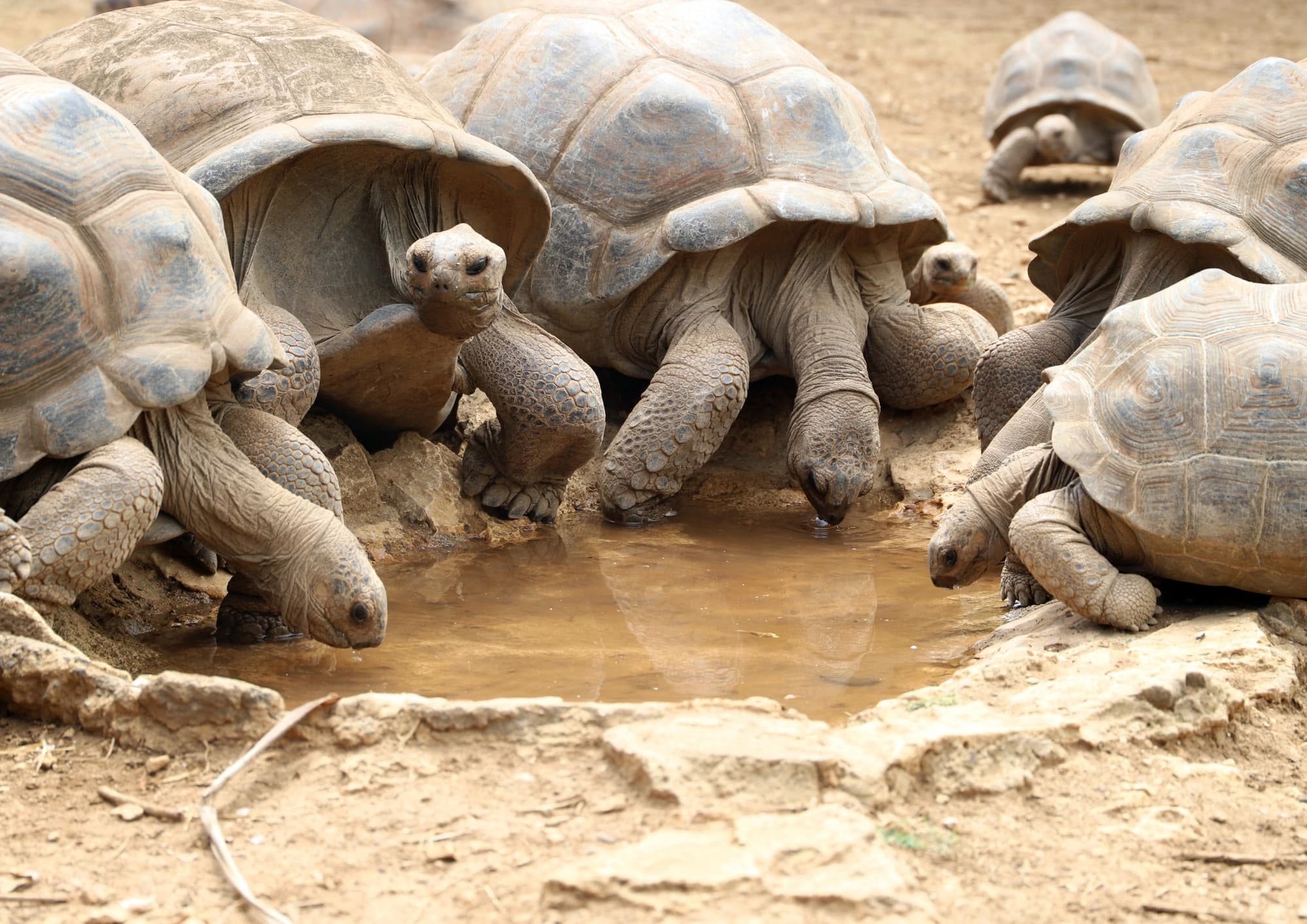
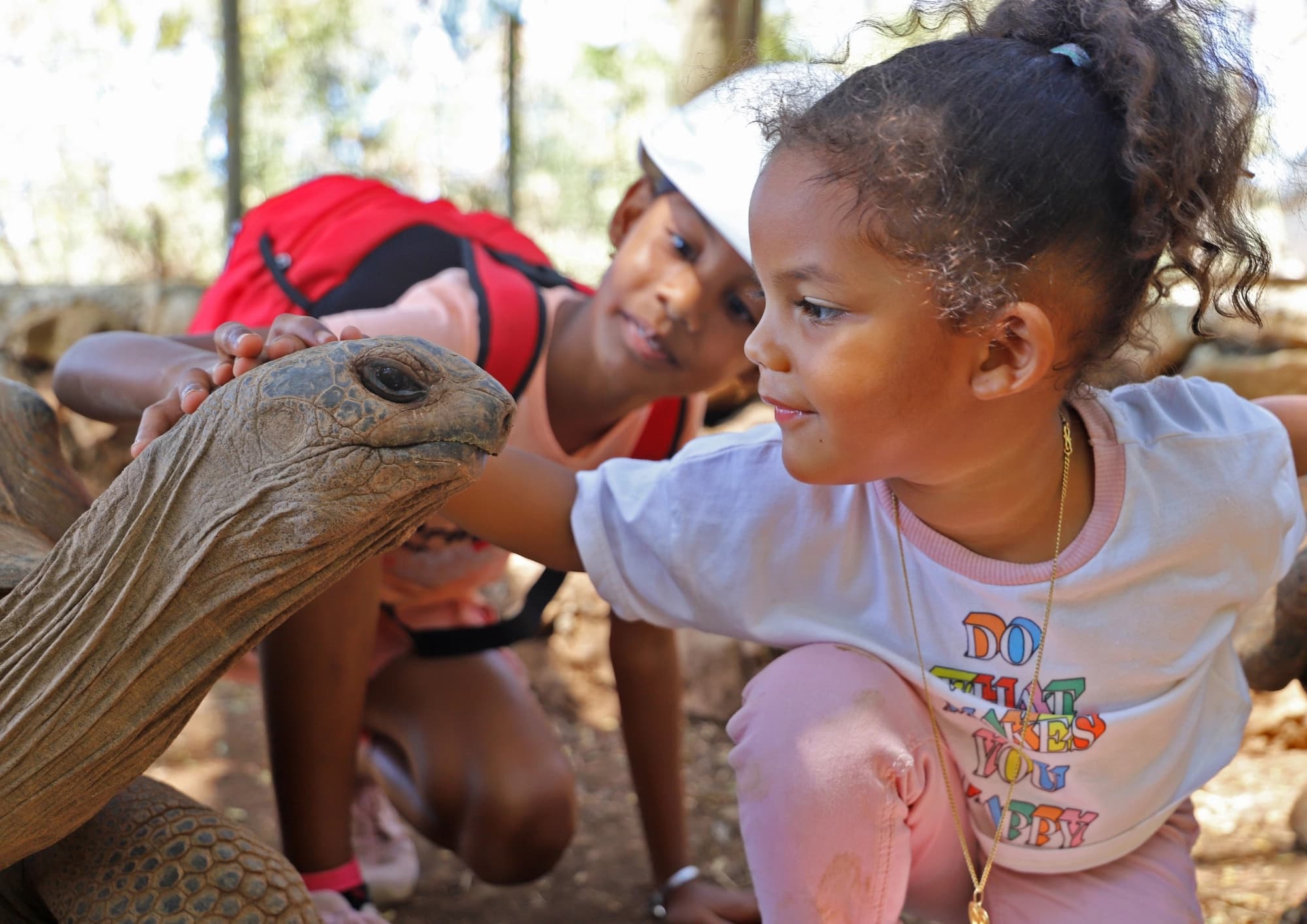
Walk amongst hundreds of giant tortoises, explore restored native forest, and discover how these animals play a key role in restoring the ecosystem. By spreading seeds, recreating soils and shaping vegetation, they help bring nature back, just like the original species once did.
An ongoing conservation project
Tortoises, Caves & Ancient Landscapes
The Reserve works to restore native habitats, protect endangered species like the Ploughshare tortoise, and support research and education. It is not only about protecting nature, but rebuilding it.
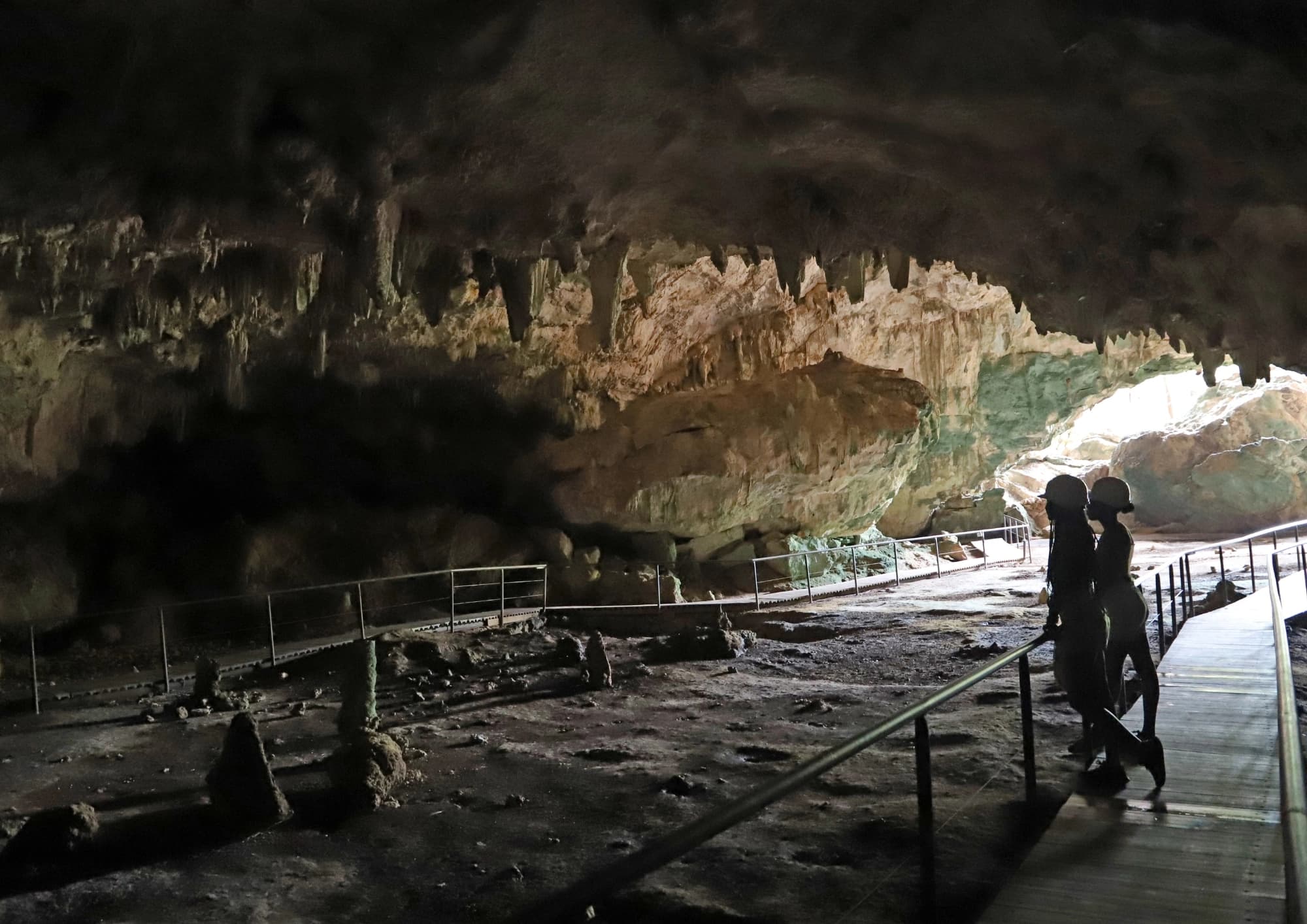
Your visit continues underground in the Grande Caverne, the only electrified show cave in the south-west Indian Ocean, where impressive limestone formations create a unique experience. Above ground, you may also spot tropic birds flying nesting in the cliffs.
A visit here is also about learning. The museum shares the history of Rodrigues, its wildlife, and how human impact changed the island, while showing what can be done to restore it.
Here, evolution is visible.
Extinction is acknowledged.
Restoration is active.
Conservation & Rewilding in Practice
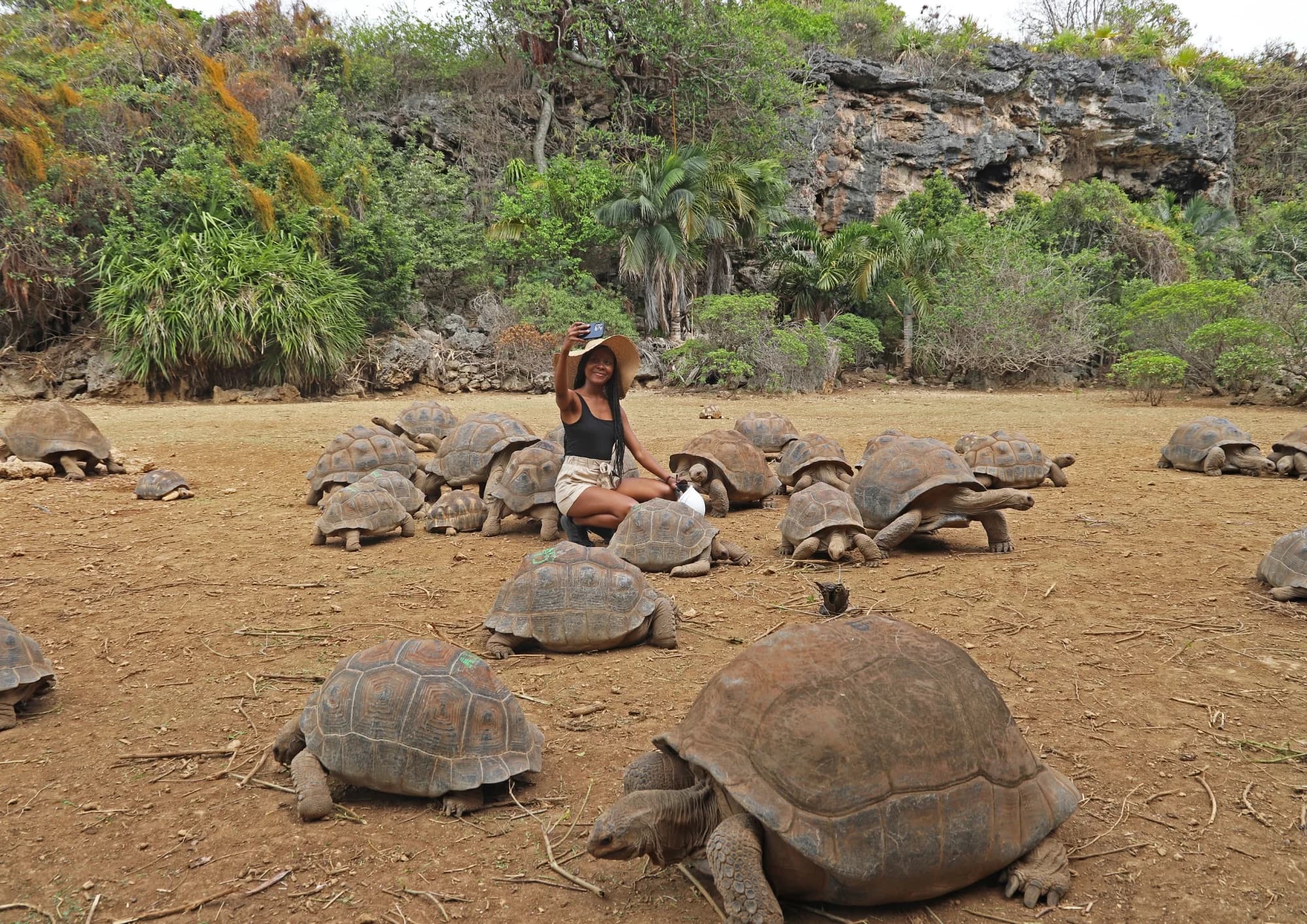
To support these efforts, the Reserve offers a restaurant with local flavours, a souvenir shop, and even the opportunity to sponsor a tortoise and stay connected to the project.
This is more than a reserve.
It's proof that nature can recover, when given the chance.
Rewilding restores balance. Stewardship ensures it endures.
Biodiversity Conservation Madagascar
Stewardship Through Community & Cultivation
Supported by La Vanille Nature Park
Sahafina Forest, Madagascar
BCM (Growing Responsibility)
Biodiversity Conservation Madagascar (BCM) was established in 2002 as part of a corporate social responsibility initiative, driven by the vision and passion of Owen and Mary Ann Griffiths.
Their connection to Madagascar began in 1975, when they developed a deep appreciation for the island's unique environment while researching its land snail fauna.
Where restoration rebuilds ecosystems, stewardship sustains them.
The work here is continuous. Seasonal. Generational.
A Living Landscape for Learning
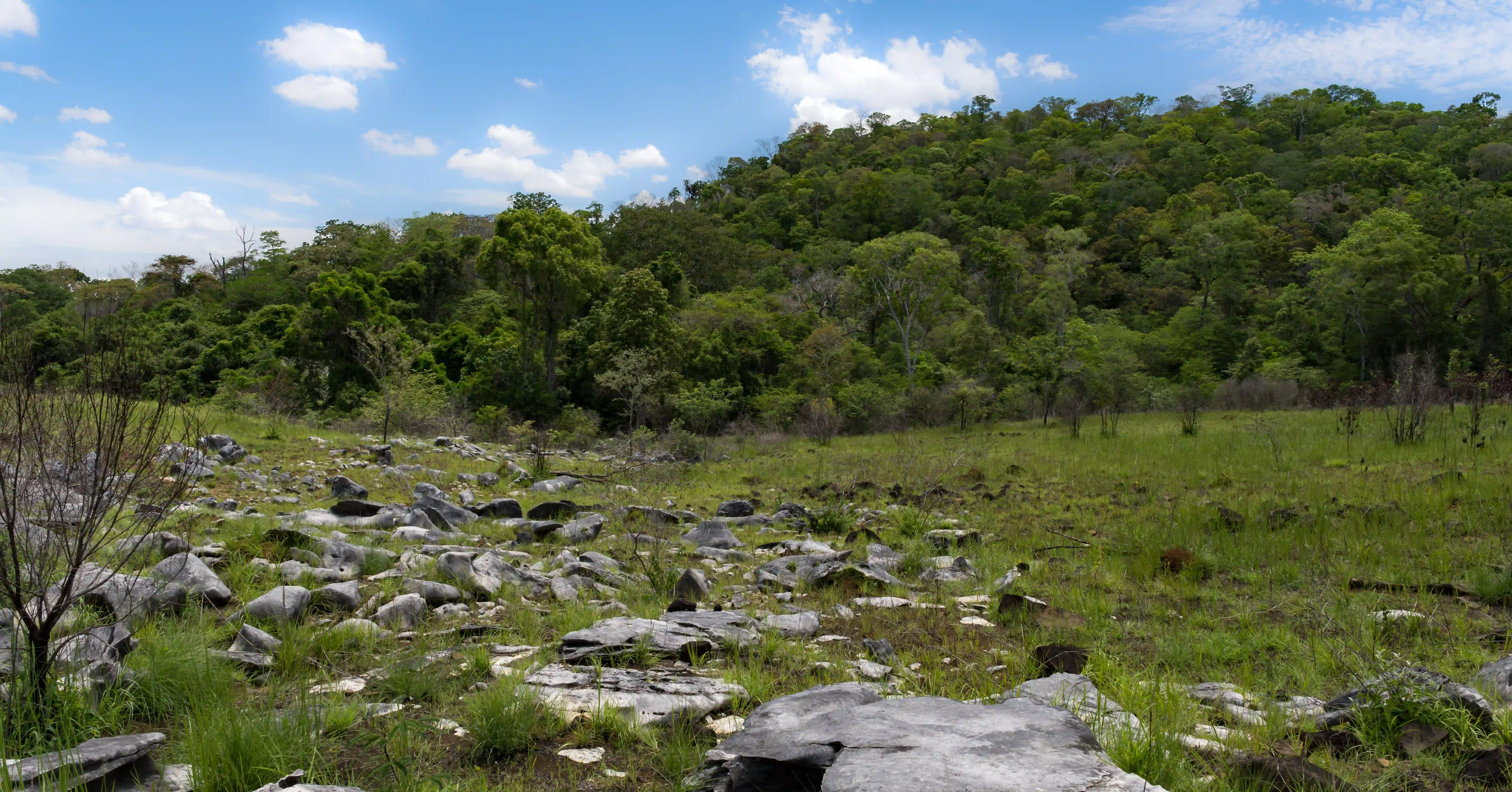
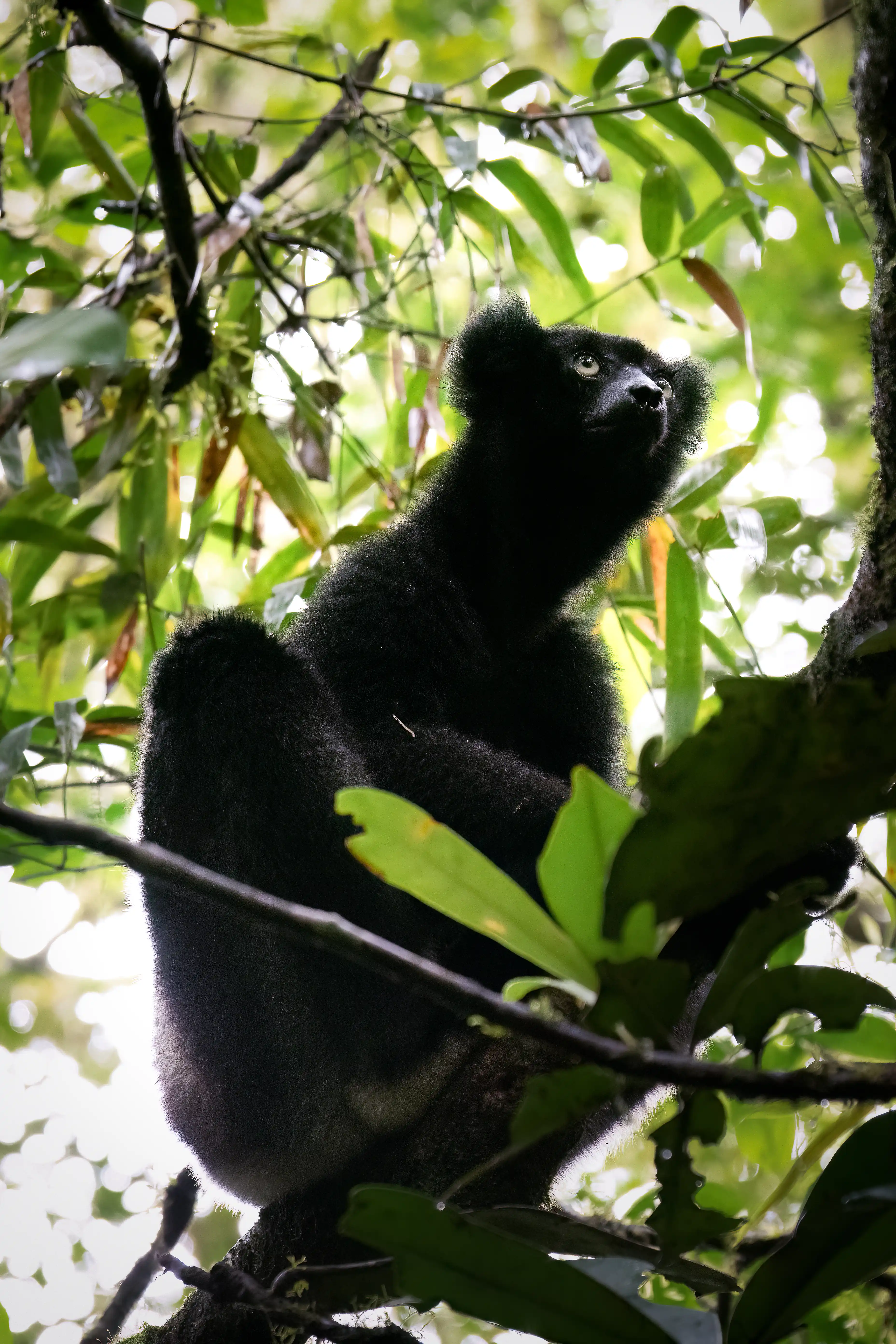
BCM is dedicated to protecting Madagascar's natural habitats, including its lemurs, all of which face serious threats from deforestation and human activities.
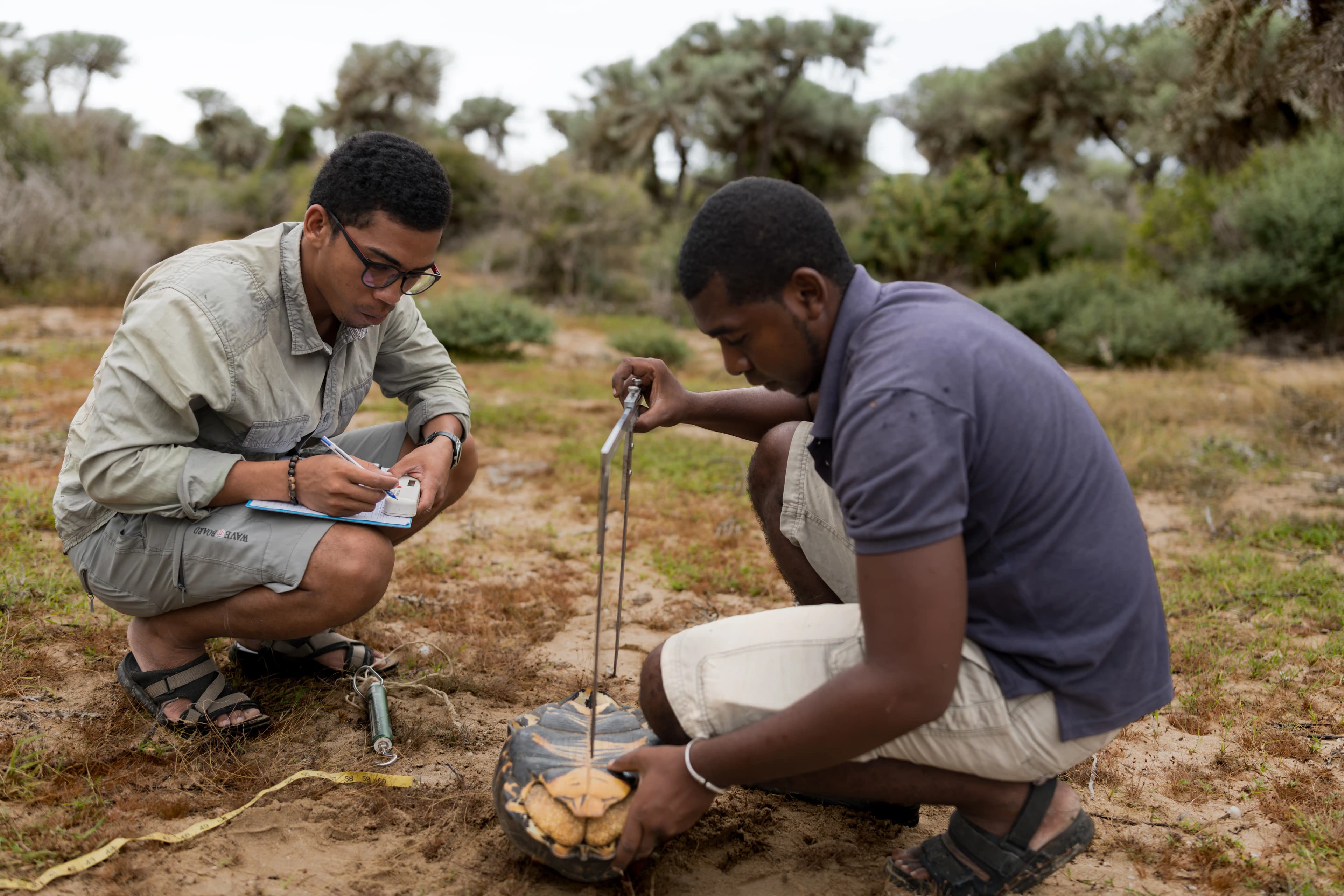
Conservation efforts are carried out across key sites including Sahafina, Beanka, Besely, and Andriantantely, each playing an important role in preserving ecosystems and endemic species.
This work is supported by long-term funding and strengthened by the involvement of the Griffiths Family, helping to ensure continuity and impact.
Visitors don't just observe.
They understand.
Conservation is a long-term commitment
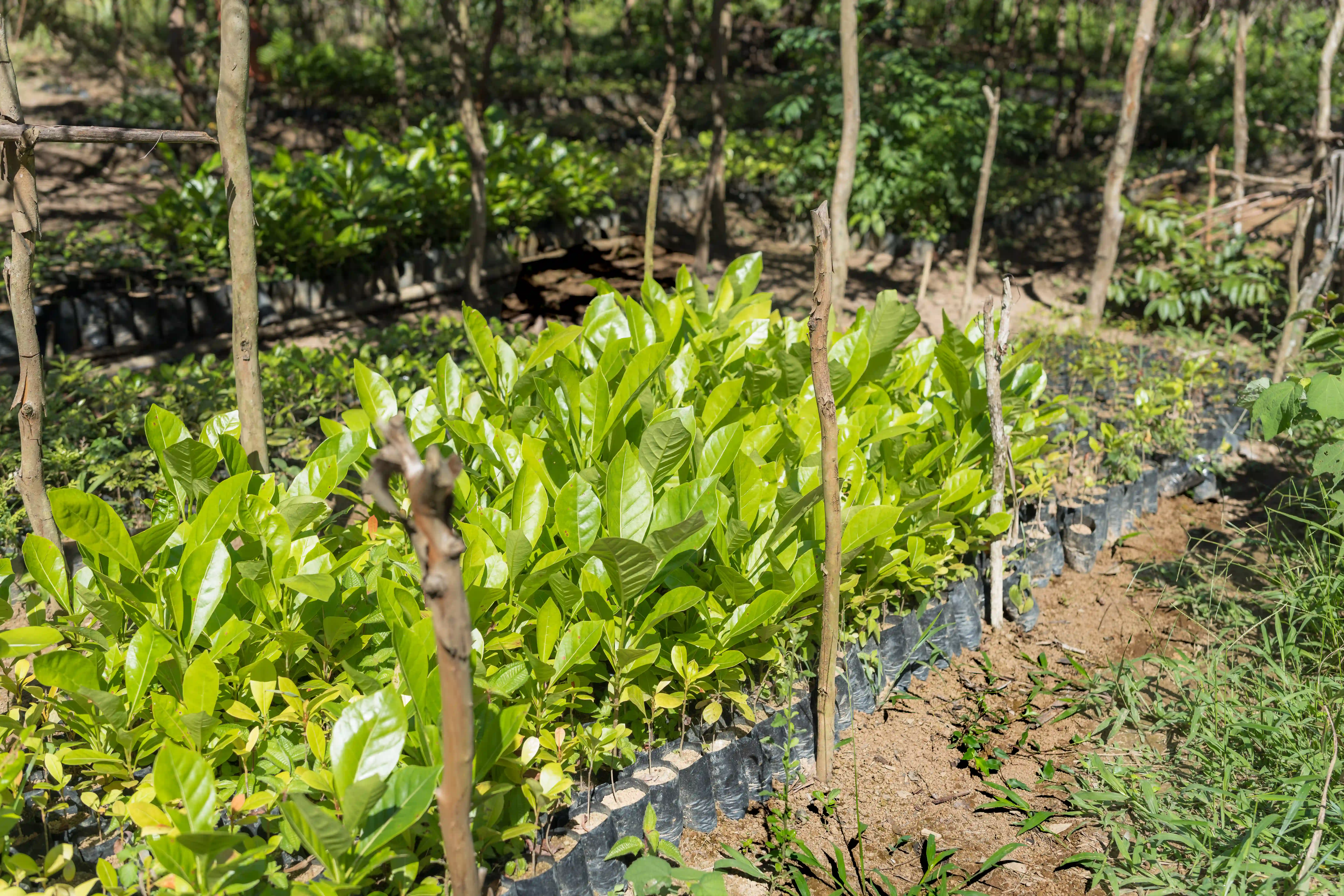
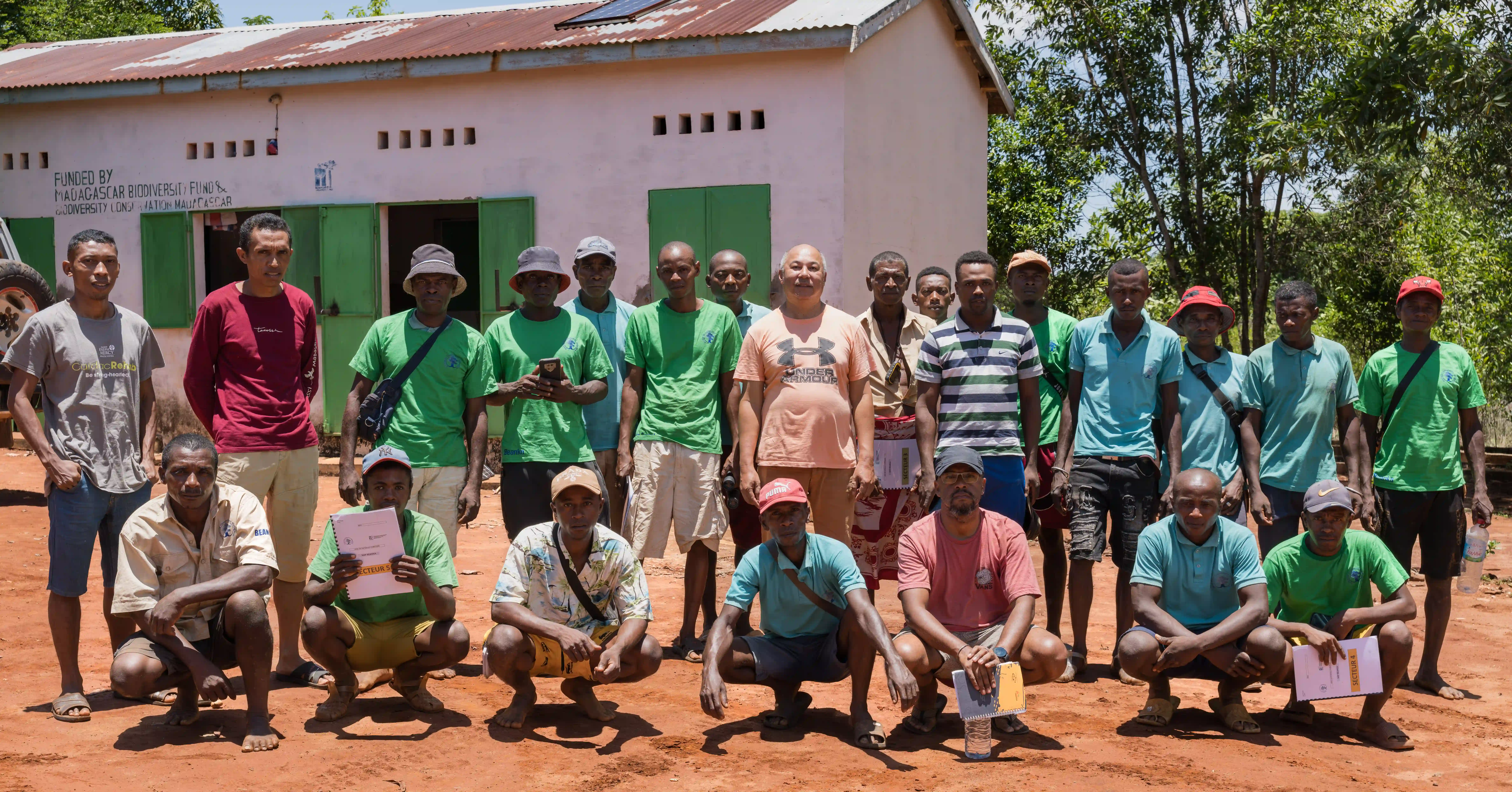
BCM continues to collaborate with local and international partners who share the same vision, while actively seeking new partnerships to expand its impact.
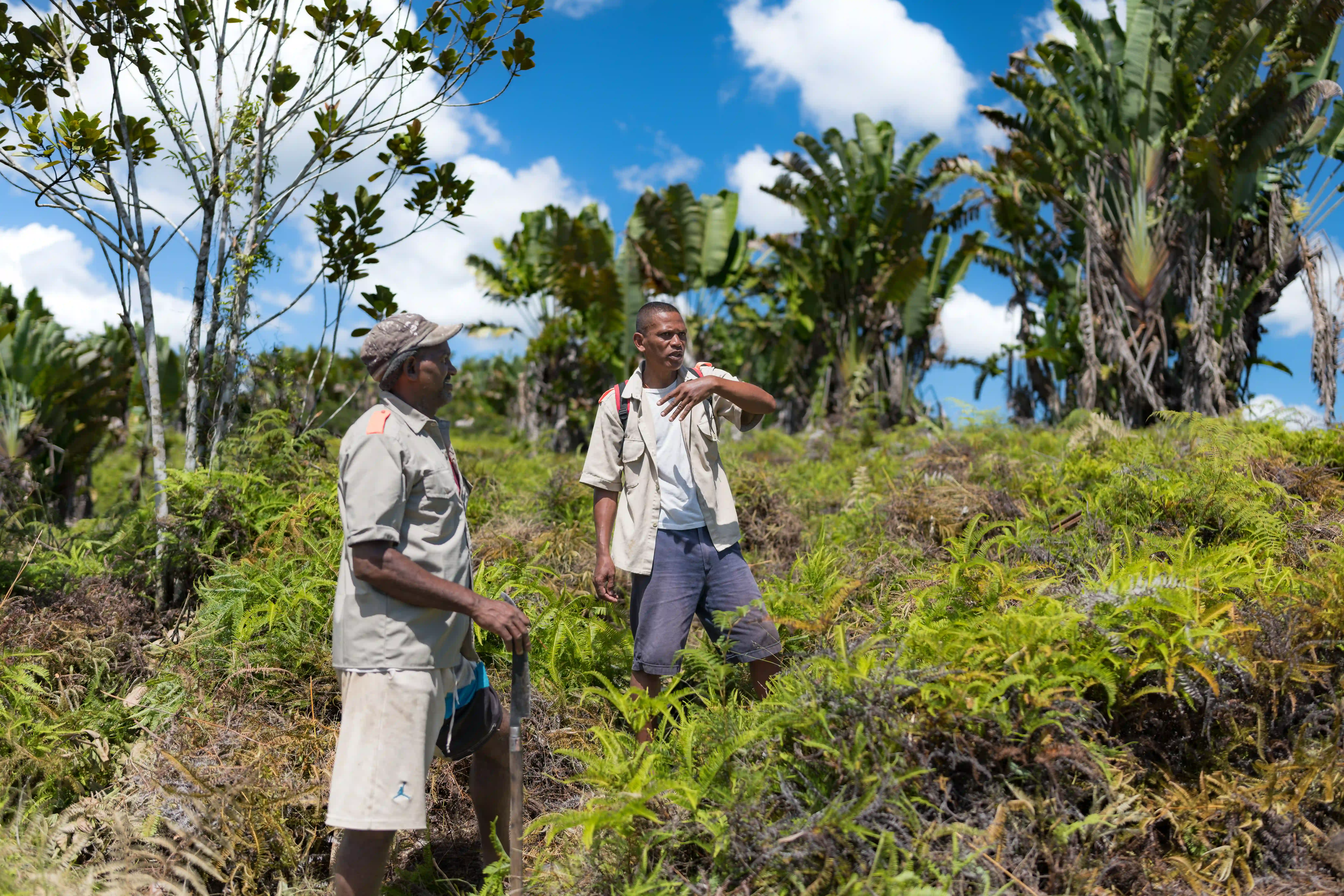
The success of these efforts relies on the expertise and dedication of the Malagasy team on the ground, as well as strong collaboration across the conservation network.
Raising awareness among local communities and stakeholders about the importance of protecting Madagascar's unique wildlife, flora, and ecosystems remains a key priority, requiring sustained effort, trust, and the right resources.
A Living Commitment
These forests are not frozen in time.
They are evolving, growing, and changing.
Measured in decades.
Built for generations.